Wheat Weevil Control: Essential Strategies for Farmers
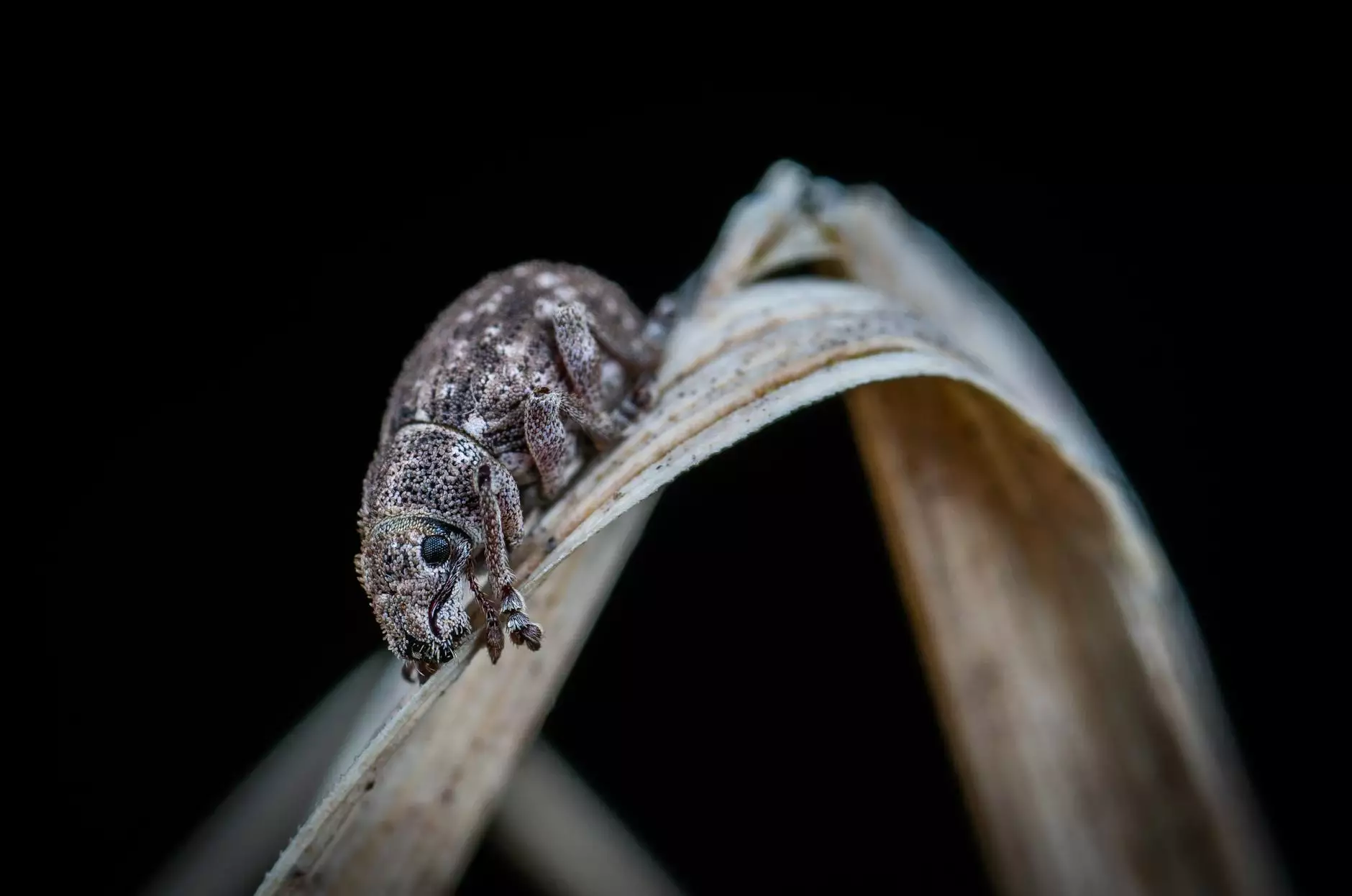
The management of wheat weevil control is a crucial aspect of modern agriculture. As agricultural practices evolve, so does the need to effectively combat pests that threaten crop yields. The wheat weevil, scientifically known as Sitophilus granarius, is a notorious pest that can devastate wheat crops if not controlled properly. This article aims to provide farmers and stakeholders in the agricultural sector with in-depth insights into effective strategies for managing this pest.
Understanding Wheat Weevils
The first step in wheat weevil control is understanding the biology and behavior of this pest. Wheat weevils are small, reddish-brown beetles that prefer to feed on whole grains, especially wheat. They can enter storage facilities and infest grains, leading to significant losses both in terms of quantity and quality. The female weevil lays eggs inside the grain, and the larvae feed on the endosperm, which can lead to:
- Reduced Grain Quality: Infested wheat often becomes discolored and loses its market value.
- Economic Loss: Farmers face significant financial consequences if their crop is compromised.
- Pest Spread: Weevils can easily spread from one grain storage to another, increasing their population.
Signs of Infestation
Identifying the presence of wheat weevils early is essential for effective control. Farmers can look out for several key indicators:
- Bored Holes: Small holes on the surface of wheat grains indicate weevil activity.
- Fine Dust: A powdery substance around grains can be a sign of weevil feeding.
- Live Weevils: Adult weevils are often visible among the grains.
- Grain Damage: Look for signs of decay or reduced integrity in the grains themselves.
Prevention Tactics for Wheat Weevil Control
Preventive measures are foundational in any effective pest management strategy. Here are several key tactics:
1. Proper Grain Storage
One of the most effective ways to combat wheat weevils is through proper grain storage practices. Ensure that storage facilities maintain the following:
- Sealed Containers: Use airtight containers to prevent weevils from entering.
- Regular Cleaning: Clean storage areas frequently to eliminate any residual grains or pests.
- Temperature Control: Maintain cooler temperatures, which can deter weevil activity.
2. Crop Rotation
Implementing a strategic crop rotation plan can disrupt the life cycle of wheat weevils. By rotating crops, farmers reduce the likelihood of pest population buildup in the soil.
3. Regular Monitoring
Keeping an eye on grain stocks and conducting routine inspections can help in the early detection of wheat weevils. Set up monitoring traps to catch weevils before they establish a significant presence.
Effective Control Methods
When it comes to wheat weevil control, there are several methods available for farmers. These can be broadly categorized into physical, cultural, biological, and chemical control methods.
1. Physical Control
Physical control methods involve the use of non-chemical means to manage pest populations:
- Heat Treatment: Exposing infested grains to high temperatures can kill weevils at all life stages.
- Cold Treatment: Similarly, very low temperatures can be effective in eliminating weevil infestations.
- Traps: Use pheromone traps to capture and monitor adult weevil populations.
2. Cultural Control
Cultural control practices support the overall health of crops and the reduction of weevil infestations:
- Sanitation: Maintain cleanliness in fields and storage areas to reduce pest attractiveness.
- Field Management: Implement practices such as tillage and crop debris management to disrupt weevil habitats.
3. Biological Control
Biological control methods involve the use of natural predators or parasites to manage weevil populations:
- Beneficial Insects: Introduce natural enemies, such as parasitic wasps, which prey on weevils.
- Microorganisms: Certain fungi and bacteria can effectively target pest populations without harming crops.
4. Chemical Control
If infestations are severe, chemical control might be necessary. However, it’s crucial to use pesticides judiciously:
- Insecticides: Apply targeted insecticides that are effective against wheat weevils while being safe for beneficial organisms.
- Fumigation: In some cases, fumigating grain storage facilities may be required to eliminate severe infestations.
Integrating Control Methods
An effective wheat weevil control strategy usually involves integrating various methods for optimal results. Farmers should assess their specific situations, considering factors such as local pest pressure, environmental factors, and the resources available to them. A holistic approach that combines prevention, monitoring, and control methods is often the most effective way to manage wheat weevil populations and maintain healthy crops.
Conclusion
In conclusion, the threat posed by wheat weevils is significant but manageable with the right approach. Farmers and stakeholders in the agricultural sector must prioritize wheat weevil control through a combination of preventive measures, vigilant monitoring, and responsive control strategies. By understanding the biology of the wheat weevil and employing an integrated pest management plan, the agricultural community can protect their crops, enhance productivity, and ensure food security.
To learn more about effective farming techniques and equipment repair, visit tsgcinc.com for additional resources and support.