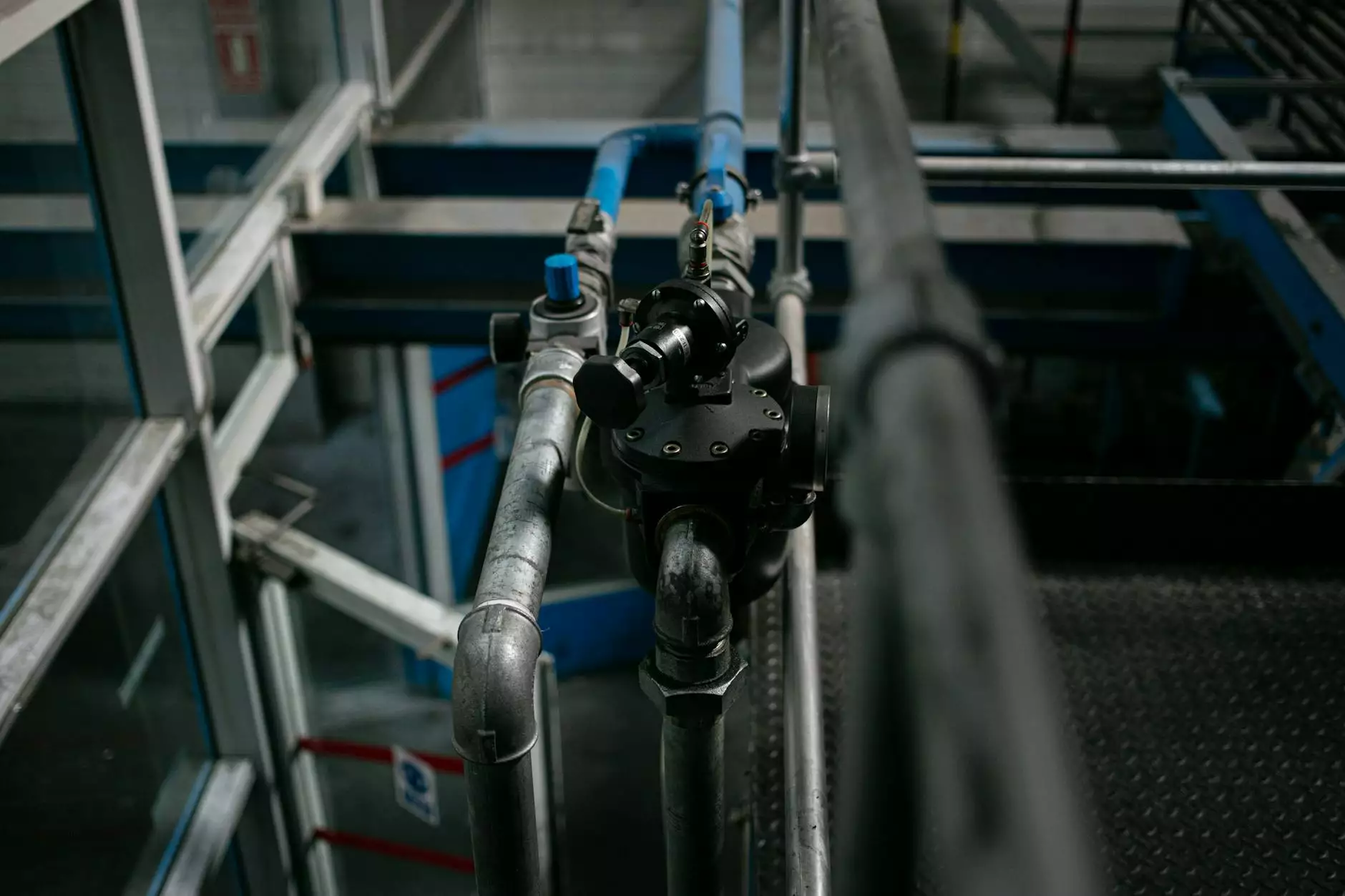
The Importance of Industrial Vacuum System Design in Modern Business

In today's rapidly evolving industrial landscape, the design of industrial vacuum systems plays a pivotal role in streamlining operations, enhancing safety, and maximizing productivity. Whether you’re in manufacturing, food processing, or pharmaceuticals, understanding the mechanics and advancements in vacuum systems can give your business a competitive edge. This article delves deep into the intricacies of industrial vacuum system design, exploring its significance, innovations, and practical applications across various industries.
What is an Industrial Vacuum System?
An industrial vacuum system is a complex assembly of equipment designed to create a vacuum environment, where air and other gases are removed from a sealed space. This technology is pivotal in numerous industries for reasons such as:
- Material Handling: Efficient transportation of materials without contamination.
- Dust Collection: Maintaining clean environments by removing harmful particles.
- Process Integration: Enhancing manufacturing processes through improved efficiency.
The Significance of Industrial Vacuum System Design
The design of industrial vacuum systems is critical to the operational success of a business. Here are some key aspects highlighting its importance:
1. Enhancing Operational Efficiency
Optimal vacuum system designs ensure that the productivity of machines and processes is maximized. By carefully selecting components such as pumps, motors, and filters, businesses can improve their effectiveness:
- Reduced Downtime: Systems designed for easy maintenance reduce the time spent on repairs and servicing.
- Energy Efficiency: Innovative designs often incorporate energy-saving technologies, lowering operational costs.
2. Safety and Compliance
In environments where dust, fumes, and other hazardous particles are prevalent, safety is a paramount concern. A robust industrial vacuum system design can mitigate these risks:
- Health Hazards: Effective dust collection systems protect employees from respiratory issues.
- Environmental Regulations: Complying with industry regulations through effective waste management systems.
3. Versatility Across Industries
The flexibility of industrial vacuum systems allows them to be utilized across various sectors such as:
- Manufacturing: For removing metal shavings and other debris from production lines.
- Food Processing: In packaging and storing food products without contamination.
- Pharmaceuticals: For maintaining sterile environments and preventing cross-contamination.
Key Components in Industrial Vacuum System Design
A comprehensive understanding of how various components work together is essential for effective industrial vacuum system design. Below are the core components:
1. Vacuum Pumps
At the heart of any vacuum system lies the vacuum pump. There are several types of pumps, including:
- Positive Displacement Pumps: These pumps increase the vacuum by trapping gas in a chamber and then displacing it.
- Momentum Transfer Pumps: Utilize high-speed rotors to transfer momentum to gas molecules, effectively moving them out of the system.
2. Filtration Systems
Filtration systems are crucial as they prevent the particulate matter from re-entering the vacuumed space. Options include:
- HEPA Filters: High-Efficiency Particulate Air filters capable of trapping 99.97% of particles.
- Activated Carbon Filters: Used for removing odors and harmful gases from the air.
3. Vacuum Hoses and Accessories
The utilize of high-quality vacuum hoses and accessories ensures effective material transfer and reaches tight spaces that need to be cleaned or serviced. Key features include:
- Ducting: Various sizes and materials available to match specific application needs.
- Adapters: Help in connecting different components seamlessly.
Best Practices in Industrial Vacuum System Design
To ensure optimal performance, businesses should follow best practices in industrial vacuum system design:
1. Conducting Thorough Needs Assessments
Before designing a system, it is essential to assess the specific needs of your operation. Evaluate factors such as:
- Type and volume of materials being handled.
- Operational hours and required maintenance cycles.
- Space constraints and accessibility.
2. Selecting Appropriate Components
Choose components that align with the specific requirements of your operation to maximize efficiency and effectiveness. Compatibility across the system is key for seamless performance.
3. Implementing Regular Maintenance
To ensure longevity and reliability, implementing a regular maintenance program is essential. Actions to consider include:
- Routine inspections of vacuum pumps and filters.
- Regular cleaning and maintenance of hoses and fittings.
- Updating any outdated or worn components in a timely fashion.
Future Trends in Industrial Vacuum System Design
As technology continues to evolve, industrial vacuum systems are becoming more sophisticated. Some of the predicted future trends include:
1. Integration of IoT Technology
Internet of Things (IoT) technology will enable real-time monitoring of vacuum systems. This data can assist in predictive maintenance and optimize operational efficiency.
2. Advancements in Automation
The rise of automation in vacuum systems will reduce manual labor, allowing for better consistency and precision in manufacturing processes.
3. Green Technologies
There is an increasing demand for environmentally friendly and energy-efficient systems. Future designs will likely focus on reducing carbon footprints and enhancing sustainability.
Conclusion
In conclusion, industrial vacuum system design is a crucial component of modern business operations. From enhancing operational efficiency to ensuring safety and compliance, the right vacuum system can significantly impact productivity and profitability. By understanding the components, best practices, and future trends, businesses can position themselves to thrive in an increasingly competitive landscape. Investing in high-quality vacuum system designs from reputable companies, like those at tmm.com.tr, will ensure your operational goals are met efficiently and effectively.