How to Get Your Hunting License: A Comprehensive Guide
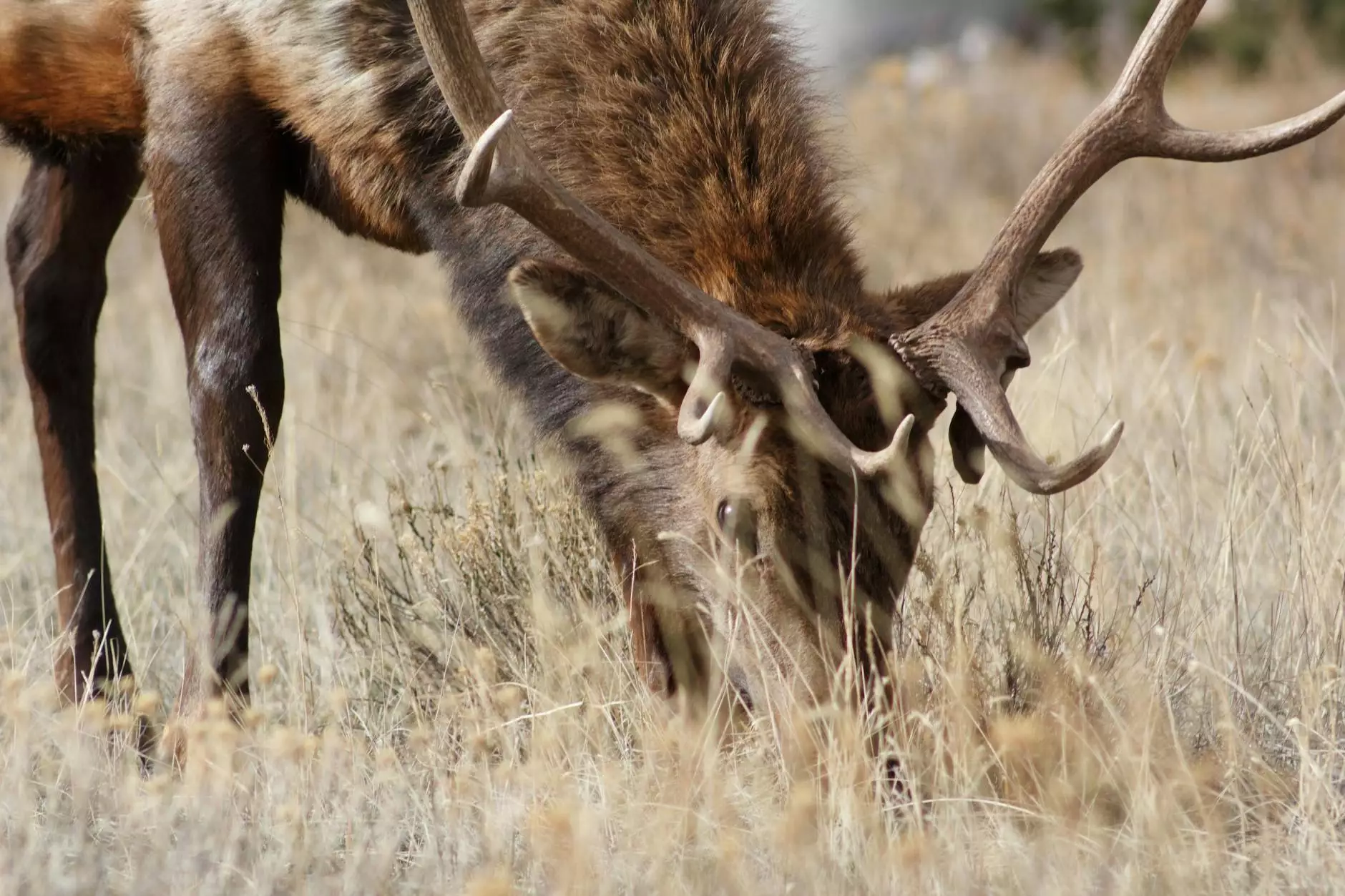
In a world where outdoor activities and knowledge of wildlife are becoming increasingly important, being able to get a hunting license is a necessary step for any aspiring hunter. This document not only legitimizes you as a hunter but also ensures that you understand the responsibilities and rules associated with hunting. In this guide, we will explore the steps in detail to help you successfully navigate the process of obtaining your hunting license.
Understanding the Importance of a Hunting License
Before you embark on the journey to get your hunting license, it's crucial to understand why this license is so important. Here are several reasons:
- Legal Compliance: Hunting without a valid license can lead to serious legal consequences, including fines and confiscation of your hunting gear.
- Wildlife Conservation: Your license fees often contribute to wildlife conservation efforts, ensuring that ecosystems are maintained and wildlife is protected.
- Safety: Obtaining a hunting license typically involves training on safe hunting practices, which minimizes accidents in the field.
- Respect for Nature: Licensing ensures that hunters are educated about ethical hunting practices, promoting responsible interaction with the environment.
Step-by-Step Guide to Obtaining Your Hunting License
The procedure to get a hunting license can vary by state or country, but we will provide a general overview to help guide you through the process.
Step 1: Confirm Eligibility Requirements
Each state has its own eligibility requirements for obtaining a hunting license. Here are common criteria you should check:
- Age: Most states require hunters to be a minimum age. Generally, you need to be at least 18 years old, though minors may hunt with an adult.
- Residency: Some states have specific licensing for residents only, while others may allow non-residents to obtain licenses.
- Hunter Education: Completion of a hunter safety course is often a prerequisite to obtain your license.
Step 2: Complete a Hunter Safety Course
A hunter education course teaches the key concepts of safe and ethical hunting practices. Here’s what you’ll typically learn:
- Firearm Safety: Proper handling and storage of firearms.
- Wildlife Conservation: Understanding the importance of sustainable hunting practices.
- First Aid: Basic first aid techniques for emergency situations in the field.
- Hunting Laws: Comprehensive knowledge of local hunting regulations.
Once you complete the course, you will receive a certificate that is often required when applying for your license.
Step 3: Gather Required Documents
Before you apply for your hunting license, gather the following documents:
- Proof of Identity: This can include a driver's license or passport.
- Hunter Education Certificate: As mentioned earlier, this certificate is crucial.
- Proof of Residency: If applicable, you may need to show that you reside in the state where you’re applying.
Step 4: Apply for the License
Once you have all the required documents, you can apply for your hunting license. Depending on your location, you can often do this:
- Online: Many states offer online applications for convenience.
- By Mail: You can print out the application form, fill it out, and send it to the appropriate agency.
- In Person: Visit your local wildlife or natural resource office to apply in person.
Be prepared to pay any applicable fees during this step, which can vary widely depending on the state.
Step 5: Await Approval
After submitting your application, you will need to wait for processing. This period can vary:
- Online Applications: Often processed quicker, sometimes within days.
- Paper Applications: May take weeks, depending on the volume of applications currently being handled.
Keep an eye on your email or mailbox for notifications regarding your application status. Once approved, you will receive your hunting license via mail or print it out if applying online.
Types of Hunting Licenses
It's important to understand the different types of hunting licenses that may be available:
- Shooting Sports Licenses: Permits for competitive shooting sports.
- Big Game Licenses: Required for hunting larger species, such as deer or bear.
- Small Game Licenses: For hunting smaller animals, like rabbits and birds.
- Special Tags: Often available for certain game species or specific seasons.
Post-License: What to Do Next
Once you successfully get your hunting license, you are ready to explore the great outdoors. Here are some recommended steps:
- Study Local Regulations: Familiarize yourself with local hunting regulations. These often detail specific seasons, bag limits, and areas where hunting is allowed.
- Plan Your Hunting Trip: Research suitable locations, weather conditions, and any necessary permits for your destination.
- Join a Hunting Community: Connecting with fellow hunters can provide valuable insights and support.
Conclusion
Obtaining a hunting license is a fundamental step toward becoming a responsible and informed hunter. The journey to get a hunting license encompasses understanding the rules, completing safety courses, and adhering to legal requirements. Remember, every time you set out to hunt, you are participating in something larger—a commitment to conservation, promoting safety, and maintaining respect for nature.
For more information and resources related to acquiring not just a hunting license, but for other documentation such as a driving license or real documents, visit genuinedrivinglicense.com.
get hunting license