The Essential Guide to Hospital Surface Disinfectants
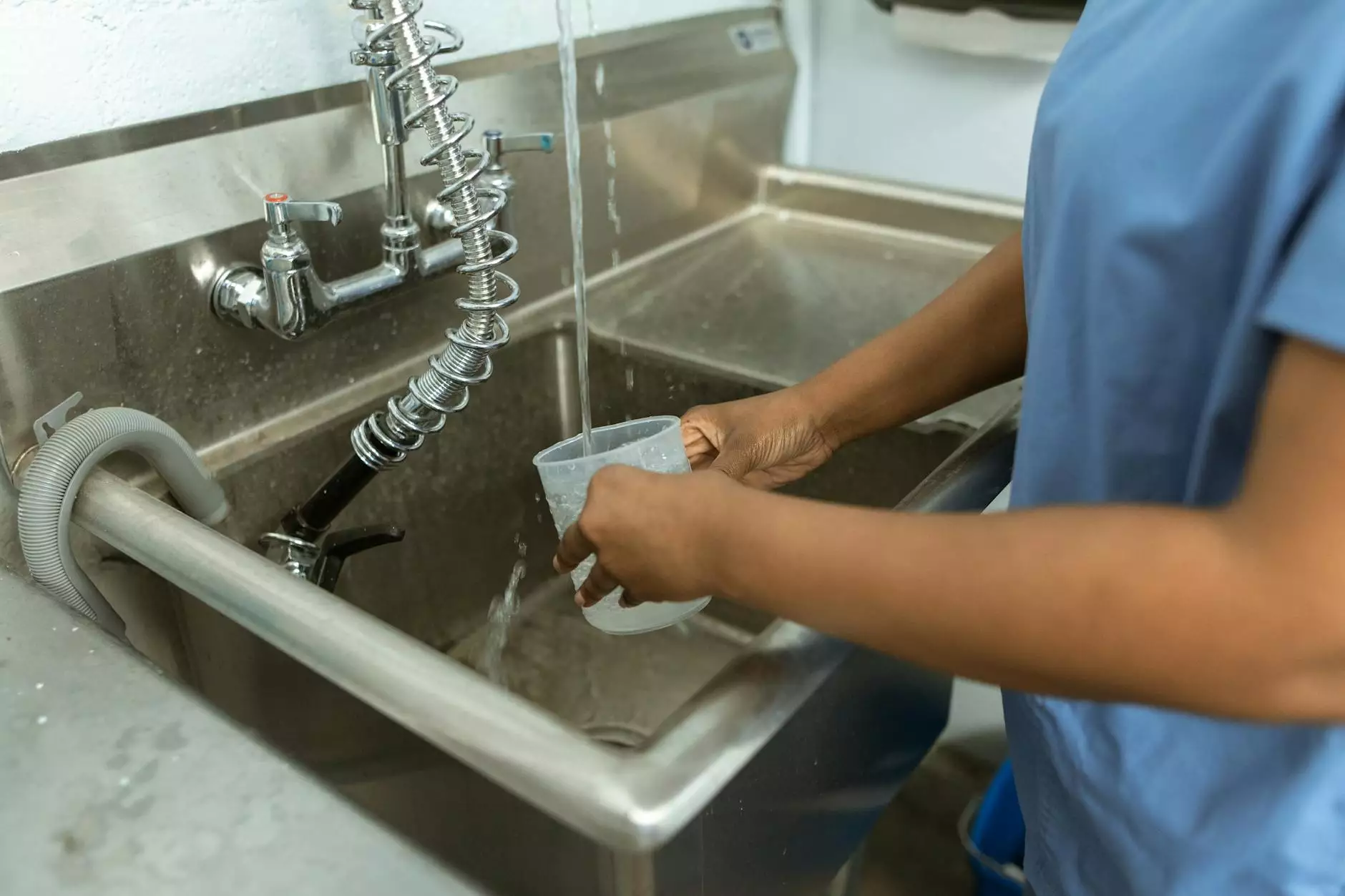
In the realm of healthcare, maintaining a sterile environment is paramount. The presence of pathogens in hospitals can lead to severe infections, jeopardizing patient safety and health outcomes. Thus, hospital surface disinfectants play a crucial role in infection control measures. This extensive guide aims to delve into the significance, types, and application of disinfectants, ensuring healthcare professionals and sanitization workers are equipped with the right knowledge to combat infections.
What Are Hospital Surface Disinfectants?
Hospital surface disinfectants are specialized cleaning agents designed to eliminate or significantly reduce harmful pathogens from surfaces in healthcare settings. These disinfectants are formulated to tackle a wide range of microorganisms, including bacteria, viruses, and fungi, thereby mitigating the risk of hospital-acquired infections (HAIs).
The Importance of Hospital Surface Disinfection
Understanding the significance of hospital surface disinfectants is essential for every healthcare facility. Here are some of the key reasons:
- Infection Prevention: Disinfectants are vital in preventing the spread of infectious diseases within healthcare environments.
- Patient Safety: A clean facility promotes patient confidence and safety, which are fundamental to patient care.
- Regulatory Compliance: Many health regulations mandate strict hygiene standards, including the use of approved disinfectants.
- Cost-Effectiveness: Preventing infections can significantly reduce hospital costs associated with extended patient stays and treatments.
Common Types of Hospital Surface Disinfectants
Hospital surface disinfectants can be classified into several categories based on their active ingredients and modes of action. Below are some common types:
1. Alcohol-Based Disinfectants
Alcohol-based disinfectants, typically comprising ethanol or isopropyl alcohol, are effective against a broad spectrum of pathogens. They act by denaturing proteins and disrupting cell membranes, leading to microbial death. Common applications include:
- Hand sanitizers
- Surface wipes
- Instrument disinfection
2. Chlorine Compounds
Chlorine-based disinfectants are a powerful choice for surface disinfection. They are particularly effective against *pathogens that cause HAIs*, including Clostridium difficile and Norovirus. However, attention must be paid to concentration levels to avoid damage to surfaces and health risks. Their applications include:
- Environmental disinfectants for floors and walls
- Equipment sterilization
3. Quaternary Ammonium Compounds (Quats)
Quats are a popular choice among healthcare providers due to their effectiveness against a variety of microorganisms. They offer residual activity, meaning they can continue to kill pathogens long after application. Their uses include:
- General surface cleaning and disinfection
- Non-critical medical equipment
4. Hydrogen Peroxide
Hydrogen peroxide is a versatile disinfectant known for its oxidizing properties. It breaks down into water and oxygen, making it an eco-friendly choice for disinfection. It is particularly effective against bacteria and viruses. Applications include:
- Surface disinfecting in patient care areas
- Decontaminating medical instruments
Choosing the Right Disinfectant
When selecting a hospital surface disinfectant, health professionals must consider several factors:
1. Spectrum of Activity
The disinfectant must be effective against the specific pathogens present in the healthcare facility. This involves understanding the potential risks and tailoring the disinfectant choice accordingly.
2. Contact Time
Different disinfectants require varying amounts of time to effectively kill pathogens. It is crucial to adhere to the recommended contact time stated by the manufacturer for optimal efficacy.
3. Surface Compatibility
Some disinfectants can damage surfaces or equipment if not appropriately matched. Assessing surface materials and their compatibility with the disinfectant is essential to avoid costly damage.
4. Safety Considerations
Healthcare providers must consider worker safety and potential risks associated with chemical exposure. This includes evaluating toxicity levels, necessary personal protective equipment (PPE), and proper ventilation protocols.
Application of Hospital Surface Disinfectants
The application of disinfectants is critical to their effectiveness. Here are best practices for applying disinfectants in healthcare settings:
1. Cleaning Before Disinfecting
Cleaning surfaces to remove dirt and organic matter is a prerequisite for effective disinfection. Disinfectants are less effective when applied to dirty surfaces, as organic matter can inhibit their action.
2. Use the Right Tools
Microfiber cloths, disposable wipes, or spray bottles are common tools for applying disinfectants. Selecting the appropriate application method contributes to the efficiency of infection control efforts.
3. Adhere to Manufacturer Guidelines
Always follow the manufacturer’s instructions regarding dilution rates, application methods, and safety measures. This ensures not only efficacy but also compliance with regulations.
4. Document Disinfection Procedures
Maintaining proper records of disinfection practices helps facilities track compliance and address any emerging health concerns swiftly.
Challenges in Hospital Surface Disinfection
While surface disinfectants are indispensable in healthcare, several challenges persist that must be addressed:
1. Resistance to Disinfectants
Some microorganisms have developed resistance to commonly used disinfectants. This necessitates the continuous review and updating of disinfectant protocols to prevent resistant strains from emerging.
2. Evolving Pathogens
The emergence of new pathogens, particularly multi-drug resistant organisms, poses a significant threat to infection control efforts. Ensuring that disinfectants are effective against these emerging threats is crucial.
3. Budget Constraints
Healthcare facilities may face financial constraints limiting the purchase of high-quality disinfectants, which can compromise the effectiveness of their infection control initiatives.
The Future of Hospital Surface Disinfection
The field of disinfectants is rapidly evolving, with advancements in technology and methodologies promising enhanced efficacy. Here are some trends to watch:
1. Innovative Formulations
Researchers are continuously developing next-generation disinfectants that offer broad-spectrum efficacy with shorter contact times and less environmental impact.
2. Integration of Automation
Automated disinfection technologies, such as UV-C light and electrostatic sprayers, are becoming more prevalent, facilitating faster and more effective disinfection protocols in healthcare facilities.
3. Education and Training
Ongoing training programs for healthcare workers on the latest disinfectant practices and technologies are crucial for enhancing the overall effectiveness of hospital disinfection protocols.
Conclusion
In conclusion, hospital surface disinfectants are an invaluable component of infection control in healthcare settings. Understanding the types, applications, and best practices associated with disinfectants is essential to safeguarding patient health and achieving a cleaner healthcare environment. As we embrace new technologies and continue to prioritize infection prevention, the role of effective disinfectants will only become more critical. By investing in high-quality disinfectants and adhering to proven protocols, healthcare facilities can enhance patient safety and minimize the impact of infectious diseases.
Explore More with Medalkan
For healthcare professionals seeking reliable medical supplies and disinfectants, visit Medalkan. We offer a comprehensive range of high-quality hospital surface disinfectants and products designed to meet the needs of health providers committed to excellence in patient care.