The Risk of Ovarian Cancer After Total Hysterectomy: An In-Depth Analysis
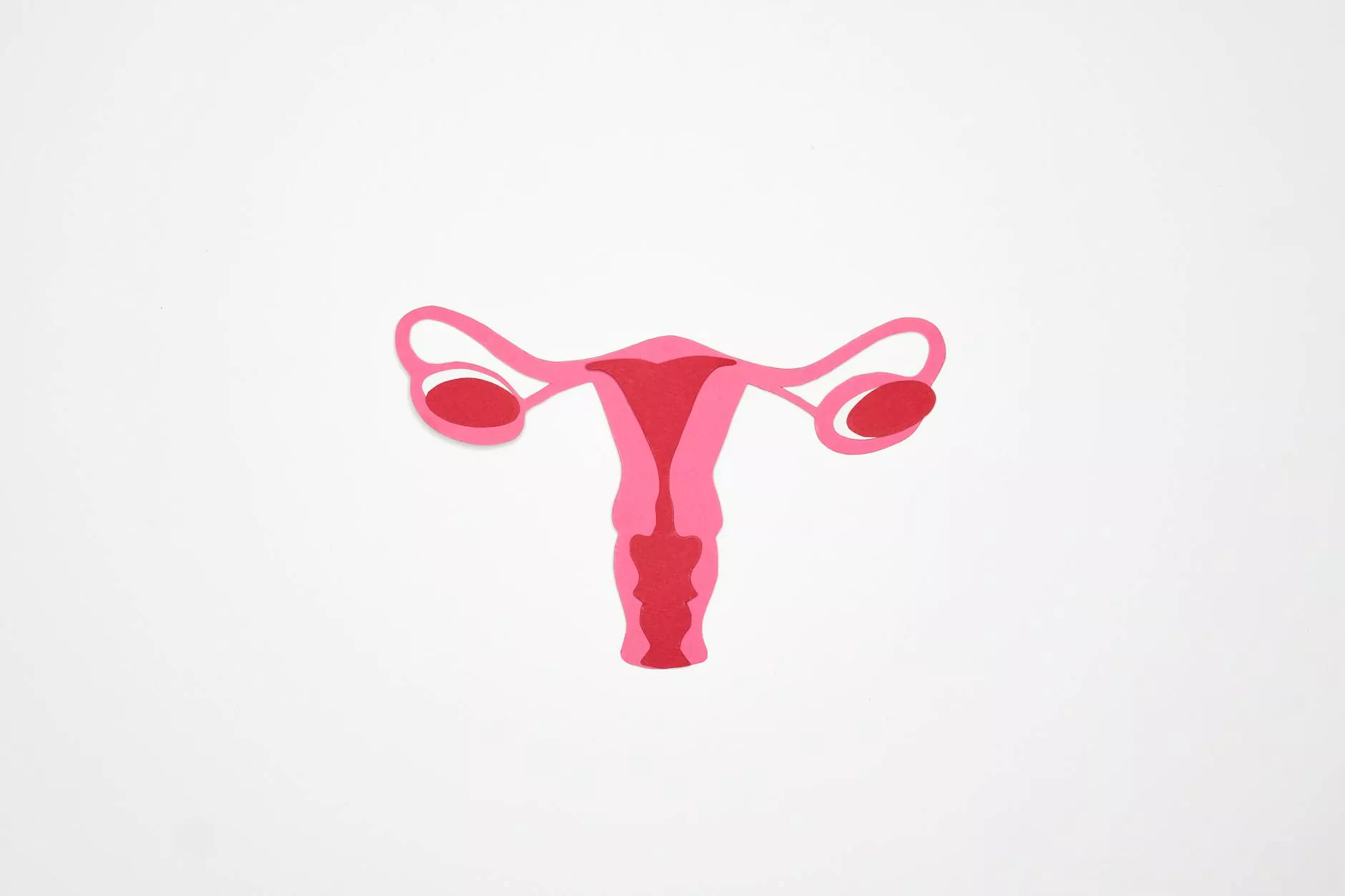
Total hysterectomy is a significant surgical procedure that involves the removal of the uterus and cervix, often accompanied by the removal of the ovaries and fallopian tubes. This surgery is commonly performed to treat various gynecological conditions, including uterine fibroids, endometriosis, and certain cancers. However, many women and healthcare providers are left with pressing questions regarding the risk of ovarian cancer after total hysterectomy.
Understanding Hysterectomy
A total hysterectomy can be classified into several types, including:
- Abdominal Hysterectomy: Removal of the uterus through an incision in the abdomen.
- Vaginal Hysterectomy: Removal of the uterus through the vaginal canal.
- Laparoscopic Hysterectomy: A minimally invasive procedure using small incisions and a camera.
The decision to undergo a total hysterectomy is often multifaceted and should incorporate considerations of overall health, personal medical history, and the potential risks associated with the surgery itself.
Risk of Ovarian Cancer: What Does Research Show?
The risk of ovarian cancer after total hysterectomy can vary based on several factors, including whether the ovaries were preserved during the surgery. Studies suggest that women who have both ovaries removed (bilateral oophorectomy) during hysterectomy significantly lower their risk of developing ovarian cancer.
However, if one or both ovaries remain intact, the risk persists. Research indicates that ovarian cancer may develop later in life, even several years after a total hysterectomy.
Factors Influencing Ovarian Cancer Risk
Several factors can influence a woman’s risk of developing ovarian cancer after a total hysterectomy, including:
- Family History: A family history of ovarian or breast cancer can increase risk.
- Genetic Predispositions: Mutations such as BRCA1 and BRCA2 significantly raise the risk.
- Age: The risk tends to increase with age, particularly after menopause.
Why Total Hysterectomy is Performed
Total hysterectomy may be performed for various reasons, including:
- Uterine Fibroids: Non-cancerous growths that can cause pain and heavy bleeding.
- Endometriosis: A condition where tissue similar to the uterus lining grows outside the uterus.
- Uterine Prolapse: A condition where the uterus descends into the vaginal canal.
- Cancer: In some cases, especially with uterine or cervical cancer, hysterectomy may be necessary.
Potential Benefits of Total Hysterectomy
While the risk of ovarian cancer after total hysterectomy is a valid concern, many women experience significant benefits from the procedure, such as:
- Pain Relief: Complete resolution of chronic pelvic pain caused by conditions such as endometriosis.
- Control of Symptoms: Resolution of heavy bleeding, fibroids, or abnormal menstrual cycles.
- Reduced Cancer Risk: Lower risk of uterine and cervical cancers when performing a hysterectomy.
Post-Surgical Considerations
After a total hysterectomy, it's essential for women to engage in follow-up care and monitoring. Here are crucial aspects to consider:
- Regular Check-ups: Schedule routine follow-up appointments with a gynecologist to monitor health.
- Awareness of Symptoms: Be vigilant about any unusual symptoms such as abdominal swelling or changes in digestion.
- Hormonal Effects: Understand the hormonal changes that may occur, especially if the ovaries are removed.
Expert Insights from Dr. Seckin
Dr. Seckin, a leading expert in the field of obstetrics and gynecology, emphasizes the importance of informed decision-making regarding total hysterectomy. With years of experience, he provides insights into:
- Empowered Choices: Women should engage in thorough discussions with their healthcare providers about the risks and benefits related to hysterectomy.
- Individualized Care: Knowing each patient’s history aids in determining the necessity and extent of the procedure.
- Support for Recovery: Highlighting the importance of mental and emotional support post-surgery.
Preventative Measures and Future Research
Preventative measures are essential for women who are concerned about the risk of ovarian cancer after total hysterectomy. Current research is striving to develop better screening methods and genetic testing for those at high risk. Additionally:
- Genetic Counseling: Women with a family history of ovarian cancer should consider genetic counseling to assess their risk.
- Lifestyle Choices: Adopting a healthy lifestyle—including regular exercise, a balanced diet, and avoiding smoking—can aid in reducing overall cancer risk.
- Clinical Trials: Participation in clinical trials may provide access to cutting-edge treatments and early detection strategies.
Conclusion
In conclusion, understanding the risk of ovarian cancer after total hysterectomy is crucial for women considering this surgery. While total hysterectomy can effectively address many health issues, it’s essential to recognize the implications concerning ovarian cancer risk and engage in proactive healthcare strategies. Empowerment through knowledge and open dialogue with healthcare providers can lead to healthier outcomes and informed decisions. For more information and personalized advice, consulting with experienced professionals, like those at drseckin.com, can provide invaluable support and guidance.