The Essential Role of Airline Track and Trace in Modern Shipping Logistics
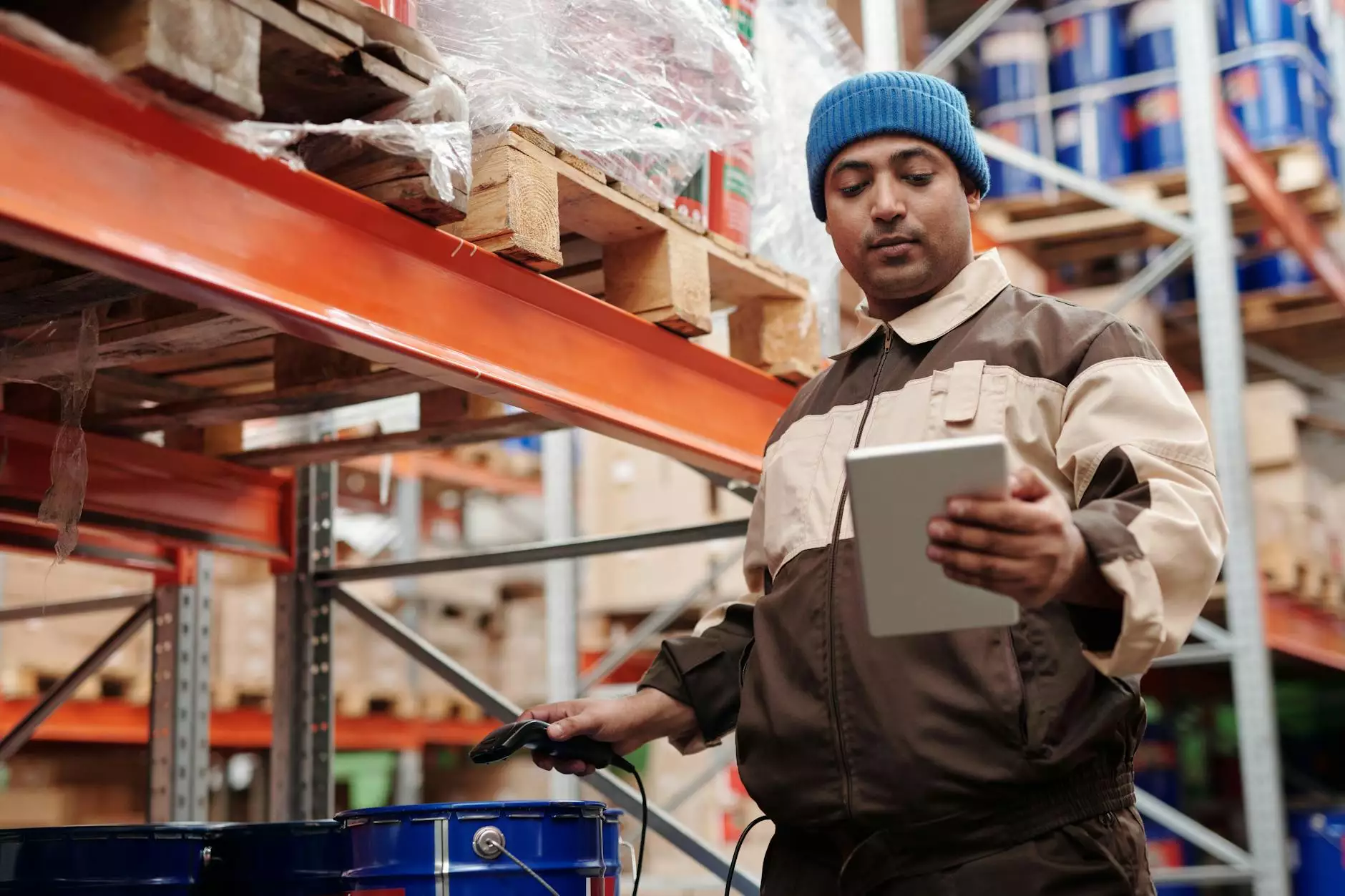
In the fast-paced world of global shipping, where precision and timeliness are paramount, the concept of airline track and trace has emerged as a pivotal component of supply chain management. This article delves deep into the intricacies of airline track and trace systems and their significant impact on enhancing operational efficiency and customer satisfaction in the shipping industry.
What is Airline Track and Trace?
The term airline track and trace refers to technologies and processes that allow shippers and customers to monitor the whereabouts and status of their shipments throughout the air transport process. This system employs a combination of barcode scanning, RFID technology, and GPS tracking, ensuring that stakeholders have real-time access to critical shipment information.
Why is Track and Trace Crucial for Airlines and Logistics?
As the global shipping landscape continues to evolve, there are several compelling reasons why airline track and trace systems are indispensable for both airlines and logistics firms:
- Enhanced Visibility: Customers and shippers gain full visibility of their cargo's journey, leading to improved transparency and trust.
- Efficient Operations: Airlines can optimize routing and handling by analyzing shipment data, which minimizes delays and enhances overall efficiency.
- Customer Satisfaction: Real-time tracking allows customers to know exactly when their shipments will arrive, resulting in improved satisfaction and retention.
- Risk Management: The ability to monitor shipments in real-time helps identify and mitigate risks associated with cargo loss or damage.
- Regulatory Compliance: Track and trace systems facilitate compliance with international shipping regulations, making the transportation of goods smoother and more reliable.
How Does Airline Track and Trace Work?
The functioning of airline track and trace can be broken down into several crucial steps:
1. Shipment Booking and Labeling
Once a shipment is booked, it is assigned a unique identifier associated with a barcode or RFID tag. This identifier is crucial as it allows all parties to track the shipment through the logistics chain.
2. Scanning and Data Entry
As the cargo moves through various checkpoints, it is systematically scanned at each stage, with data being captured and recorded in real time. This might occur at:
- Shipping centers where cargo is initially processed.
- Airports during loading and unloading.
- Customs checkpoints during inspections.
3. Transmission of Information
The scanned information is transmitted to a central database, where it can be accessed by customers, airlines, and freight forwarders through web portals or mobile apps. This step is essential for maintaining accurate records and providing updates.
4. Real-Time Updates and Notifications
Users receive real-time notifications regarding the status and location of their shipments. If any discrepancies or delays occur, stakeholders are promptly informed, allowing them to take necessary actions to address issues proactively.
Benefits of Implementing Airline Track and Trace Systems
The implementation of an effective airline track and trace system can yield numerous benefits for shipping operations:
Improved Efficiency and Cost Savings
By streamlining the tracking process and minimizing manual data entry, airlines save time and reduce operational costs. Automating tracking through technology minimizes human error and accelerates the overall logistics process.
Increased Accountability
With comprehensive tracking, all entities involved in the shipment process can be held accountable for their part in the logistics chain. This accountability leads to improved performance and reliability among partners.
Better Client Relationships
Providing clients with real-time tracking information enhances engagement and fosters stronger relationships. Clients appreciate the transparency provided by track and trace systems and are more likely to remain loyal to companies that offer such services.
Data-Driven Decision Making
The data gathered through track and trace systems can be analyzed to improve future shipping practices. Insights derived from shipment histories can inform better routing, packing, and overall operational strategies.
Integrating Track and Trace with Existing Systems
For businesses looking to adopt airline track and trace capabilities, integration with existing logistics and management systems is crucial. Here are some key considerations for effective integration:
1. Compatibility with Current Technologies
Ensure that the track and trace solution you choose is compatible with the current technologies used by your organization. This might include your Warehouse Management Systems (WMS), Transportation Management Systems (TMS), and Enterprise Resource Planning (ERP) systems.
2. Ease of Use
Select a track and trace platform that is user-friendly and requires minimal training for employees to operate. This will facilitate a smooth transition and increase adoption rates among staff.
3. Scalability
Choose a solution that can grow with your business. As your shipping volume increases, the track and trace system should be able to handle higher loads without compromising performance or speed.
4. Comprehensive Support
Opt for service providers that offer robust support services. Having access to timely assistance can significantly improve your operational efficiency, especially during the initial stages of implementation.
Challenges in Implementing Airline Track and Trace Systems
While the advantages are clear, several challenges may arise during the implementation of airline track and trace systems:
1. Initial Costs
Investing in a track and trace system can require significant upfront costs for infrastructure, software, and training. Companies must weigh these costs against the potential long-term benefits.
2. Technology Integration Issues
Integrating new technologies with legacy systems can sometimes lead to compatibility problems, data management issues, or operational disruptions. Careful planning is essential to minimize these risks.
3. Resistance to Change
Employees accustomed to traditional workflows may resist adopting new technology. Effective change management and thorough training programs are essential to alleviate these concerns.
The Future of Airline Track and Trace Technologies
The future of airline track and trace is set to be dominated by the advancement of technologies such as artificial intelligence (AI), machine learning, and blockchain. Here’s how these innovations could transform the industry:
1. Predictive Analytics
AI and machine learning can analyze historical data to predict potential delays or issues in the shipping process. This predictive capability allows companies to preemptively address challenges, thus enhancing operational efficiency.
2. Enhanced Security with Blockchain
Blockchain technology can provide an immutable record of all transactions within the shipping chain, greatly enhancing security and reducting risks related to fraud and theft.
3. Greater Automation
Future track and trace systems will increasingly utilize automation technologies, such as drones and autonomous vehicles, to improve tracking and reduce human intervention, leading to further efficiencies.
Conclusion
In conclusion, the incorporation of airline track and trace systems is a crucial element in maintaining competitiveness in today’s fast-evolving shipping landscape. By enhancing visibility, accountability, and efficiency, these technologies enable airlines and logistics providers to meet the demands of their customers effectively while optimizing their operations.
As you consider implementing or upgrading your track and trace capabilities, remember that the journey involves careful planning, a commitment to training, and a willingness to embrace change. With the right strategy, businesses can not only survive but thrive in an increasingly complex global trade environment.
For further information about how your business can benefit from innovative shipping solutions, check out cargobooking.aero.