Understanding the Cost of Pallets Wood and the Role of Timber Merchants in Today's Market
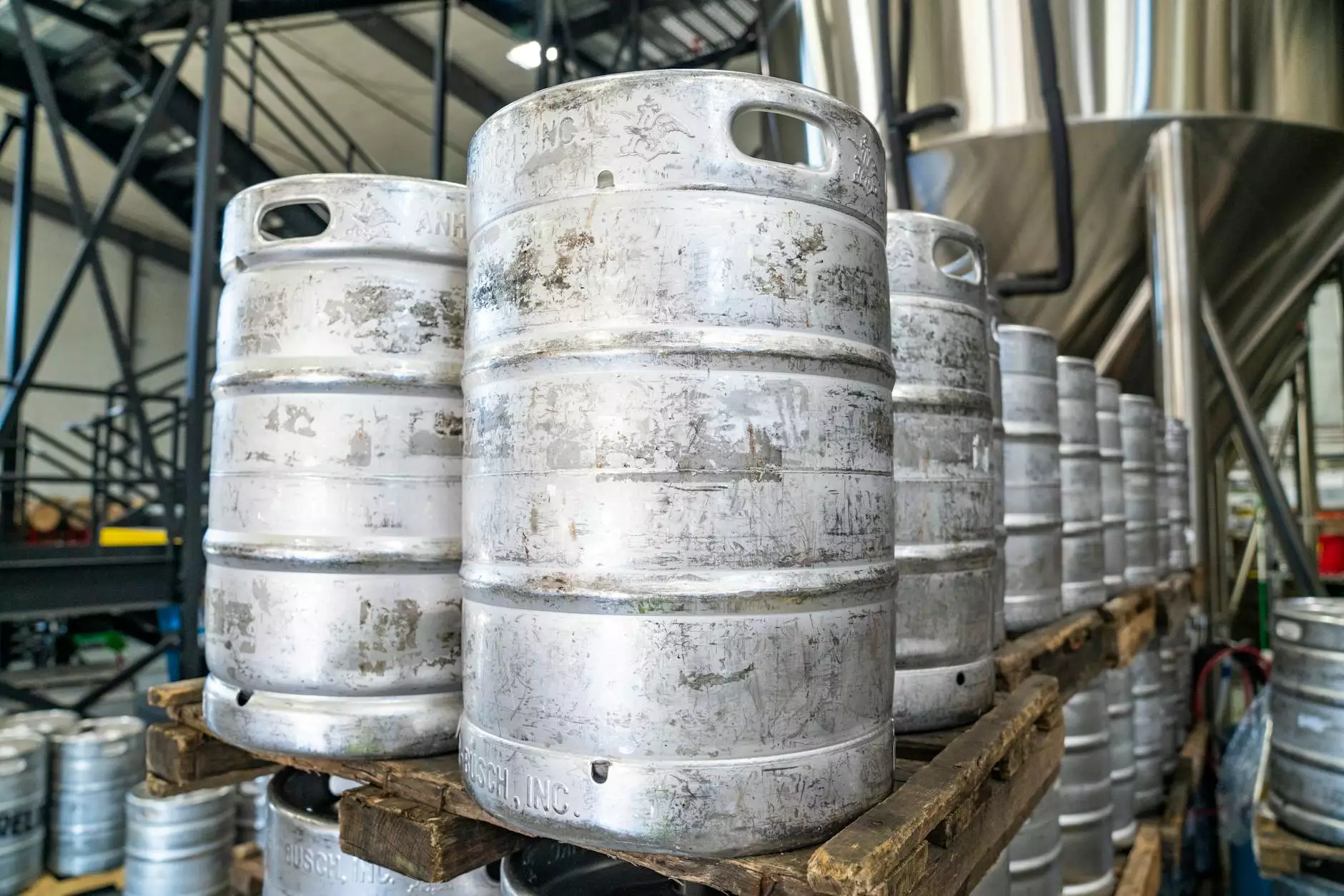
In the dynamic landscape of industrial logistics and manufacturing, wood suppliers and timber merchants play an indispensable role in ensuring the seamless operation of supply chains worldwide. One of the crucial factors influencing logistics costs and manufacturing expenses is the cost of pallets wood. This article delves deeply into the intricacies of this valuable resource, exploring how quality timber, market trends, and strategic sourcing impact costs and business success.
Comprehensive Overview of Timber Commerce and Its Significance
Before understanding the cost of pallets wood, it is essential to grasp the importance of timber merchants and wood suppliers in the global economy. These entities serve as the backbone for various industries, providing raw materials required for packaging, construction, furniture, and more. Stary Timbers RO, with its extensive expertise in timber trading, stands out as a trusted source for high-quality wood supplies, especially for pallet manufacturing.
The Critical Role of Timber Merchants
- Quality Assurance: Partnering with reliable timber merchants guarantees access to durable, sustainable, and premium-grade wood.
- Cost Optimization: Strategic sourcing from established merchants often results in more competitive prices for large-volume orders, reducing overall costs.
- Wide Product Range: A diverse inventory allows businesses to choose tailored wood materials suitable for various applications, including pallets, crates, or industrial packaging.
- Supply Chain Reliability: Consistent delivery schedules and stock availability are crucial for maintaining manufacturing flow and reducing downtime.
Key Factors Affecting the Cost of Pallets Wood
The cost of pallets wood is influenced by multiple interrelated factors, which include raw material prices, market demand, supply chain logistics, and quality standards. A comprehensive understanding of these factors empowers businesses to make informed procurement decisions, optimize costs, and adapt to market fluctuations.
1. Raw Material Quality and Type
The type of wood used for pallets significantly impacts the cost structure. Common timber varieties used in pallet manufacturing include pine, oak, hardwoods, and softwoods. Softwoods like pine tend to be less expensive and suitable for standard pallets, whereas hardwoods like oak, though more durable, come at a higher price point. The choice of raw material hinges on the intended use, load capacity, and durability requirements.
2. Market Supply and Demand Dynamics
Global and regional supply chains directly influence wood prices. Factors such as seasonal fluctuations, weather conditions, harvest yields, and forestry regulations can cause price variability. For example, a shortage of quality timber due to environmental concerns or regulatory restrictions can push the cost of pallets wood upward.
3. Transportation and Logistics
Transportation costs are a significant component of the overall price of raw timber. The proximity of the timber source to manufacturing facilities, transportation infrastructure, and fuel prices all play roles in determining final costs. Efficient logistics management by timber merchants can mitigate these expenses, benefiting end-users.
4. Processing and Manufacturing Standards
The level of processing—such as kiln-drying, treatment for pest resistance, or compliance with environmental standards—also affects wood costs. Higher-quality finishing and treatment processes ensure durability and safety, but they can elevate the final price of pallets and raw materials.
Market Trends and Future Outlook for the Cost of Pallets Wood
Staying abreast of market trends is vital for businesses relying heavily on wooden pallets. Currently, the market exhibits several noteworthy trends:
- Increasing Demand for Sustainable and Recycled Wood: Eco-conscious consumer preferences and stricter environmental regulations drive demand for sustainable wood options, potentially influencing costs.
- Rising Raw Material Prices: Fluctuations due to global economic conditions and forestry policies can lead to higher prices, impacting the cost of pallets wood.
- Technological Advancements: Innovations in processing and sourcing improve efficiency, possibly reducing costs over time.
- Supply Chain Resilience: Recent disruptions have highlighted the need for diversified supply sources, which can influence pricing stability.
Looking forward, the market indicates a steady increase in the cost of quality wood, driven by sustainability initiatives and raw material scarcity. Businesses that invest in long-term relationships with reliable timber merchants like Stary Timbers RO position themselves advantageously against these fluctuations.
Strategies to Manage Cost of Pallets Wood Effectively
Effective management of wood procurement costs requires a combination of strategic sourcing, process optimization, and market intelligence. Consider implementing these tactics:
- Bulk Purchasing and Long-term Contracts: Negotiating volume discounts and stable supply agreements reduces unit costs and shields against market volatility.
- Source Diversification: Engaging multiple trusted suppliers minimizes risks associated with regional shortages or price surges.
- Utilize Recycled or Reclaimed Wood: Eco-friendly options can lower costs and enhance sustainability credentials.
- Invest in Quality Control: Ensuring high-quality raw material reduces waste and extends the lifespan of pallets, lowering frequency of replacement costs.
- Optimize Supply Chain Logistics: Efficient transportation strategies and inventory management prevent unnecessary expenses.
How Stary Timbers RO Supports Businesses with Premium Timber Supply
Stary Timbers RO has established itself as a leader among timber merchants and wood suppliers, dedicated to providing superior quality materials tailored to the needs of pallet manufacturers and industrial clients. The company's commitment to sustainability, competitive pricing, and reliable delivery make it a strategic partner for businesses aiming to optimize costs and quality.
Key Advantages of Partnering with Stary Timbers RO
- Extensive Range of Timber: Wide variety of softwoods and hardwoods, pre-treated and kiln-dried options available.
- Competitive Pricing: Volume discounts and efficient logistics help keep the cost of pallets wood within optimal ranges.
- Sustainable Practices: Focus on environmentally responsible harvesting and eco-friendly processing methods.
- Reliable Delivery and Support: Ensuring timely supply to meet production schedules without costly delays.
- Customized Solutions: Ability to tailor products according to specific requirements for size, strength, and treatment standards.
The Future of Wood Supply and Cost Management in the Pallet Industry
The ongoing evolution of the global wood supply chain suggests a future where innovation and sustainability are paramount. Companies like Stary Timbers RO are at the forefront, integrating advanced forestry practices, efficient processing, and strategic market positioning to ensure clients can navigate potential cost fluctuations confidently.
Adopting digital procurement platforms, investing in sustainable forestry certifications, and fostering long-term supplier relationships will become increasingly critical strategies. These approaches not only control the cost of pallets wood but also promote environmental stewardship and corporate responsibility.
Conclusion: Why Understanding the Cost of Pallets Wood Fuels Business Success
In today's competitive market, understanding the numerous factors that influence the cost of pallets wood is implausible without considering the integral role of skilled timber merchants and effective sourcing strategies. By partnering with established, reputable wood suppliers like Stary Timbers RO, businesses can secure high-quality raw materials at optimal prices, ensuring sustainability, operational efficiency, and profitability.
Leveraging market insights, adopting innovative sourcing strategies, and prioritizing environmental sustainability are the keys to thriving in the evolving wood industry landscape. With a comprehensive understanding of these elements, your business can outperform competitors, reduce costs, and maintain high standards for quality and eco-friendliness.
Ultimately, the right investments today in trusted timber sources and sustainable practices directly translate into a resilient and prosperous future in the pallet and woodworking industry.


