Comprehensive Guide to Venous Radiofrequency Ablation: Revolutionizing Vascular Medicine
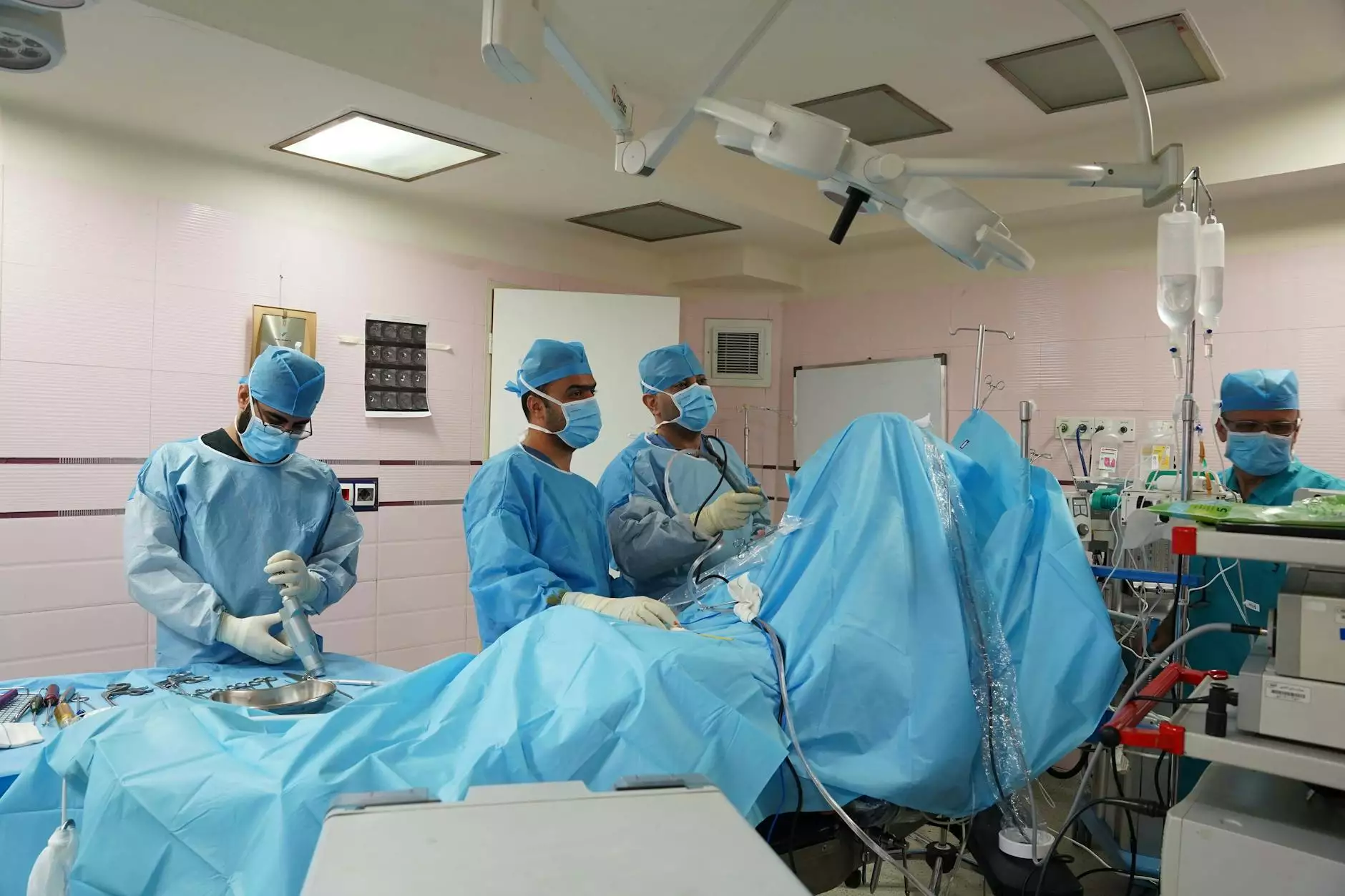
In the ever-evolving field of vascular medicine, innovative treatments are continually enhancing patient outcomes and quality of life. Among these cutting-edge procedures, venous radiofrequency ablation (venous RFA) stands out as a minimally invasive, highly effective treatment for venous insufficiency and varicose veins. This advanced technique harnesses the power of radiofrequency energy to target and eliminate problematic veins, restoring proper blood flow and alleviating discomfort.
Understanding Venous Insufficiency and the Need for Advanced Solutions
Chronic venous insufficiency (CVI) is a prevalent condition that affects millions worldwide. It is characterized by the failure of venous valves in the legs, leading to increased venous pressure, varicose veins, swelling, skin changes, and even venous ulcers if left untreated. Traditional treatment options included lifestyle modifications and surgical procedures, which often involved longer recovery times and higher complication rates.
The advent of venous radiofrequency ablation has revolutionized the management of venous insufficiency by offering a safe, efficient, and minimally invasive alternative to traditional vein stripping and surgical interventions. This modality is now considered the gold standard for treating superficial venous reflux and related venous disorders.
What Is Venous Radiofrequency Ablation? An Overview
Venous radiofrequency ablation is a procedure that employs thermal energy delivered via special catheters to close incompetent veins. By applying controlled heat, the abnormal veins are effectively sealed shut, rerouting blood flow through healthier veins, which significantly diminishes symptoms and prevents disease progression.
The Science Behind Venous Radiofrequency Ablation
RFA works on the principle of thermal coagulation. The procedure involves inserting a slender, flexible catheter into the affected vein, guided precisely under ultrasound visualization. Once in position, high-frequency radio waves generate heat (~120°C) within the vein wall, causing collagen fibers to shrink and the vessel to collapse. Over time, the sealed veins are naturally absorbed by the body, leaving the healthier veins to handle blood flow efficiently.
Detailed Steps of the Venous Radiofrequency Ablation Procedure
Pre-Procedure Evaluation
- Comprehensive duplex ultrasound mapping of leg veins
- Assessment of vein diameter, pattern of reflux, and surrounding anatomy
- Patient education about the procedure, risks, and post-procedure care
The Procedure
Performed typically in an outpatient setting under local anesthesia, the process includes:
- Venous cannulation: Insertion of a tiny needle into the targeted vein, followed by the introduction of the catheter.
- Ultrasound guidance: Continuous visualization to ensure precise placement of the catheter.
- Thermal ablation: Delivery of radiofrequency energy through the catheter to heat the vein wall uniformly.
- Closure and removal: Once the vein collapses, the catheter is withdrawn, and a compression bandage is applied to minimize bruising and support healing.
Post-Procedure Care and Recovery
- Patients are encouraged to walk immediately after the procedure.
- Use of compression stockings for at least 1-2 weeks.
- Expected minimal discomfort and rapid return to daily activities.
- Follow-up ultrasound in several weeks to confirm vein closure and assess healing progress.
Advantages of Venous Radiofrequency Ablation
Venous RFA offers numerous advantages over traditional surgical methods, including:
- Minimally invasive: No large incisions required, reducing risk of infection and scarring.
- High success rates: Over 95% vein closure rate reported in clinical studies.
- Rapid recovery: Patients typically resume normal activities within a day or two.
- Minimal discomfort: Local anesthesia and small catheters ensure patient comfort.
- Reduced risk of complications: Lower incidences of nerve injury, hematoma, or deep vein thrombosis.
- Long-lasting results: Significant symptom relief and durable vein closure observed over years of follow-up.
Why Choose Expert Vascular Care for Venous Radiofrequency Ablation?
Specialized clinics like Truffle Vein Specialists offer comprehensive care with experienced vascular surgeons and physicians dedicated to diagnosing and treating venous conditions with precision and compassion. Choosing the right provider ensures access to advanced imaging, personalized treatment plans, and meticulous post-procedure follow-up, optimizing outcomes.
Potential Risks and Precautions
While venous radiofrequency ablation is overwhelmingly safe, patients should be aware of potential risks, including:
- Minor bruising and soreness at the treatment site
- Temporary nerve discomfort or skin pigmentation changes
- Rare instances of deep vein thrombosis or nerve injury if not performed properly
Proper patient selection, preoperative assessment, and experienced operators minimize these risks significantly.
The Future of Vascular Medicine and Venous Radiofrequency Ablation
The field of vascular medicine continuously evolves with technological advancements, making procedures like venous radiofrequency ablation even safer, faster, and more effective. Innovations such as ultrasound-enhanced imaging, improved catheter designs, and combination therapies are enhancing patient outcomes further.
Transforming Lives with Modern Venous Treatments
Patients suffering from varicose veins or venous insufficiency often face physical discomfort, cosmetic concerns, and decreased quality of life. The advent of venous radiofrequency ablation has transformed this narrative, offering a minimally invasive solution that restores health, confidence, and mobility.
Conclusion: Embracing the Next Generation of Vascular Care
In conclusion, venous radiofrequency ablation represents the pinnacle of modern vascular treatment for superficial venous reflux. Its proven efficacy, safety profile, and rapid recovery make it the preferred choice for thousands of patients annually. When performed by skilled specialists at reputable centers like Truffle Vein Specialists, it promises outstanding outcomes and long-term relief from venous disease.
For individuals seeking reliable, innovative solutions to venous health issues, embracing venous RFA signifies a step towards better vascular health and a more vibrant life. Consult with a vascular specialist today to explore how this transformative procedure can benefit you.