Understanding the Significance of Risk-Reducing Bilateral Salpingo-Oophorectomy in Women's Health
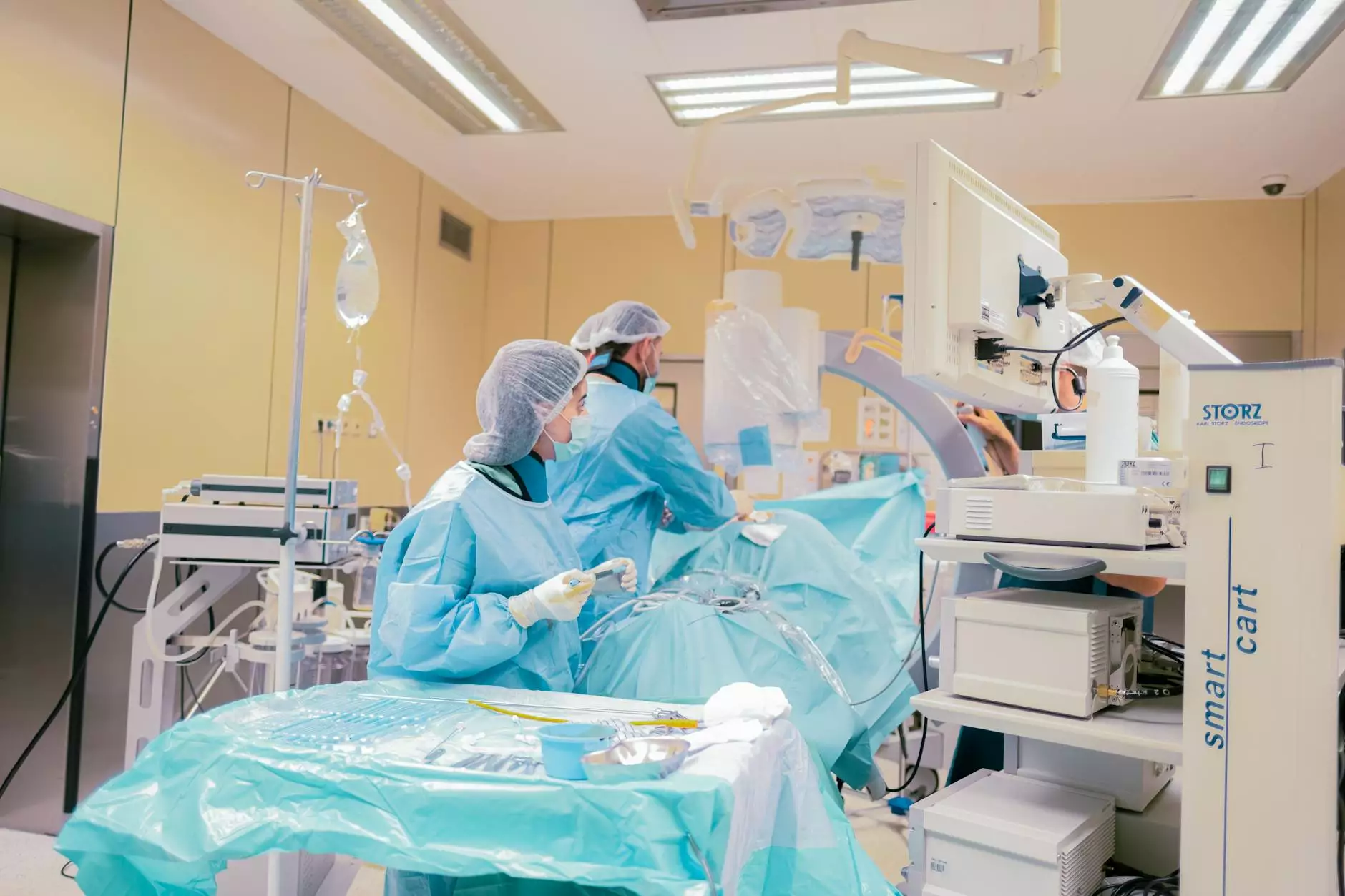
In the rapidly evolving field of obstetrics and gynecology, women’s health is receiving unprecedented attention, especially concerning preventative strategies against ovarian and breast cancers. One of the most significant surgical interventions gaining prominence is the risk-reducing bilateral salpingo-oophorectomy (RRBSO). This comprehensive procedure involves the removal of both fallopian tubes and ovaries and has been proven to substantially lower the risk of certain gynecological cancers, particularly in women with hereditary cancer syndromes.
What Is Risk-Reducing Bilateral Salpingo-Oophorectomy? An In-Depth Explanation
The risk-reducing bilateral salpingo-oophorectomy is a preventative surgical procedure performed primarily in women who face a high genetic risk for ovarian and breast cancers. It involves the removal of both ovaries and fallopian tubes to drastically reduce or nearly eliminate the risk of developing these malignancies. While traditionally performed as a treatment for ovarian cancer, the procedure has now gained recognition as a proactive measure for women at inherited risk.
The decision to undergo RRBSO is typically based on genetic testing results, personal and family medical history, and individual risk assessment. The procedure is especially recommended for women carrying BRCA1 and BRCA2 mutations, which significantly increase the likelihood of ovarian and breast cancers.
The Importance of Genetic Counseling Before Undergoing RRBSO
Before considering risk-reducing bilateral salpingo-oophorectomy, comprehensive genetic counseling is vital. Certified genetic counselors evaluate family histories and genetic testing to determine mutation status. This step ensures that women are fully informed about the potential benefits, risks, and implications of the surgery.
- Genetic testing for BRCA mutations or other genetic syndromes
- Evaluation of personal and family cancer history
- Discussion of age-related risks and timing of surgery
- Assessment of potential complications and long-term effects
The Procedure: What to Expect During a Risk-Reducing Bilateral Salpingo-Oophorectomy
The RRBSO procedure is typically performed under general anesthesia in a hospital setting. Surgeons may choose between minimally invasive laparoscopic surgery or, in some cases, an open abdominal approach, based on individual circumstances.
Step-by-step overview:
- Preparation: Preoperative evaluation, including imaging studies and lab tests.
- Anesthesia administration: General anesthesia is administered to ensure patient comfort and immobility.
- Surgical technique: Using small incisions, the surgeon carefully detaches the fallopian tubes and ovaries from surrounding structures.
- Removal and inspection: The removed tissues are sent for pathological examination to rule out existing malignancies or precancerous changes.
- Closure and recovery: Incisions are closed, and the patient is monitored in the recovery room.
Benefits of Risk-Reducing Bilateral Salpingo-Oophorectomy
The advantages of undergoing risk-reducing bilateral salpingo-oophorectomy are compelling and backed by extensive clinical research:
- Significant decrease in ovarian cancer risk: Up to 85-90% risk reduction in women with BRCA mutations.
- Reduction in breast cancer risk: In select cases, especially when combined with other preventative measures, it can contribute to lower breast cancer incidence.
- Peace of mind: For women with hereditary cancer syndromes, this procedure offers a proactive approach against cancer development.
- Potential for improved survival rates: Early prevention translates into higher survival prospects.
Considerations and Potential Risks of RRBSO
While the benefits are substantial, it is essential to understand the potential risks and implications:
- Premature menopause: Removal of ovaries leads to the cessation of estrogen and progesterone production, often causing menopausal symptoms.
- Hormonal imbalances: Symptoms such as hot flashes, vaginal dryness, and mood changes may occur.
- Bone health concerns: Increased risk of osteoporosis and fractures if hormone replacement therapy isn't administered appropriately.
- Infertility: The procedure permanently eliminates childbirth capacity, which should be thoroughly discussed with healthcare providers.
- Surgical complications: Bleeding, infection, or injury to surrounding organs are rare but possible.
Managing Menopausal Symptoms Post-Procedure
Postoperative management is crucial for women undergoing RRBSO, particularly regarding menopausal symptoms. Healthcare providers often recommend hormone replacement therapy (HRT) tailored to individual health profiles to mitigate symptoms and preserve bone density and cardiovascular health.
The Optimal Timing for Risk-Reducing Bilateral Salpingo-Oophorectomy
The ideal timing of the surgery is individualized but generally recommended between the ages of 35 and 45 for women with BRCA1/BRCA2 mutations, after completing family planning. Early intervention is key to maximizing cancer risk reduction while balancing the adverse effects of early menopause.
Choosing the Right Specialist: Why Expertise Matters
Performing risk-reducing bilateral salpingo-oophorectomy requires specialized surgical skills and comprehensive understanding of genetic risks. Leading gynecologic oncologists and obstetricians with extensive experience in hereditary cancer syndromes, such as the experienced team at drseckin.com, provide personalized care and guidance throughout the process.
Supporting Women Through Their Preventative Journey
From genetic counseling to surgery and postoperative care, a multidisciplinary approach is essential for optimal outcomes. Counseling encompasses not only medical aspects but also psychological and emotional support, helping women make informed decisions aligned with their values and life goals.
- Preoperative education and counseling
- Individualized surgical planning
- Postoperative follow-up and hormonal management
- Psychological and support services
Conclusion: Embracing Preventative Health with Confidence
In an era where personalized medicine is revolutionizing healthcare, risk-reducing bilateral salpingo-oophorectomy stands out as a transformative preventative strategy against ovarian and breast cancers for women at genetic risk. With advancements in surgical techniques and supportive care, women can access this life-changing procedure with confidence, knowing it offers significant benefits in cancer prevention and overall health.
Choosing experienced specialists and understanding the full scope of the procedure enable women to take proactive control of their health journey. If you or your family have a history of hereditary cancers, consult with dedicated obstetricians & gynecologists at Dr. Seckin to explore personalized options and make informed decisions that prioritize your well-being and future.
Empowerment Through Knowledge
Educating oneself about preventative options such as risk-reducing bilateral salpingo-oophorectomy is vital in proactively managing health risks and optimizing quality of life. Stay informed, discuss openly with healthcare professionals, and consider genetic counseling to determine the best course of action tailored specifically to your genetic profile and life circumstances.
Final Thoughts
Protect your future today by understanding the value, procedure, and implications of risk-reducing bilateral salpingo-oophorectomy. Embrace this proactive approach as a vital part of comprehensive women’s health care, supported by expert medical professionals committed to empowering women through informed choices and cutting-edge medical interventions.
risk reducing bilateral salpingo oophorectomy